INTRODUCTION
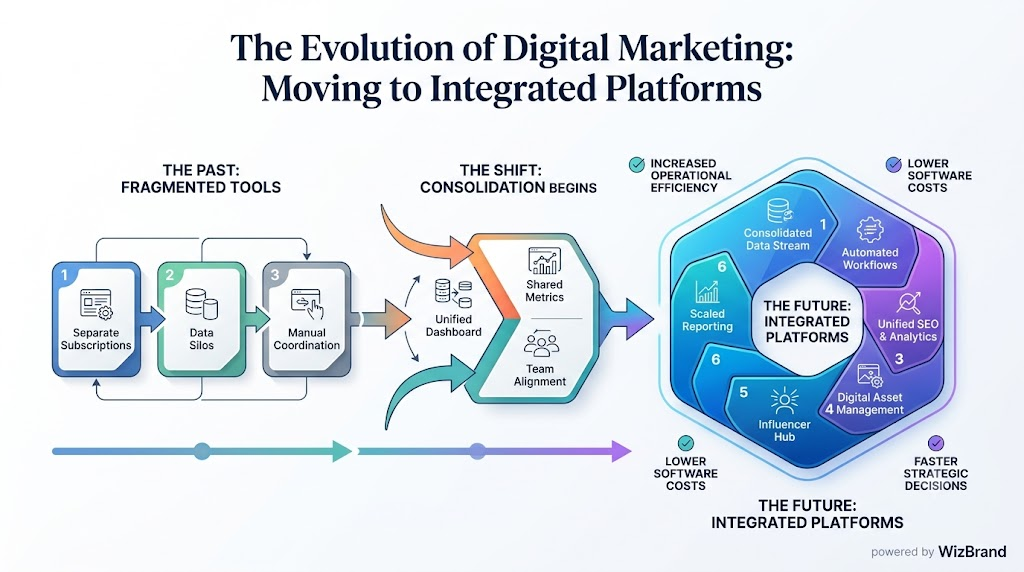
Fragmented toolchains are the silent bottleneck of modern digital marketing teams. Juggling isolated software subscriptions for keyword tracking, backlink auditing, creative asset storage, and task delegation generates cognitive overload and fragmented data streams. When team members spend precious hours exporting spreadsheets between disconnected systems, strategic execution graded on agility naturally suffers. Transitioning to a unified operational model solves this friction by establishing a single point of truth for campaign intelligence and execution. Integrated platforms enable marketing departments to automate routine technical diagnostics, align cross-functional contributors, and maintain sharp visibility into organic visibility trends. By dismantling departmental silos, organizations redirect energy away from manual administration toward revenue-driving strategy. In this comprehensive playbook, you will discover how deploying specialized SEO management software streamlines campaign roadmaps, elevates technical domain health, structures media libraries, and fuels sustainable organic growth.
WHAT IS AN ALL-IN-ONE DIGITAL MARKETING PLATFORM?
Definition
An all-in-one digital marketing platform is a consolidated software framework designed to house planning, execution, asset management, and analytics inside one centralized hub. Instead of stitching together single-use software utilities, a unified platform provides an interconnected technology stack for end-to-end digital operations.
Core Components
- Search Optimization Suite: Modules for discovery research, rank monitoring, technical audits, and link profile evaluation.
- Work Management Engine: Collaborative task boards, campaign roadmaps, and automated workflow triggers.
- Digital Asset Repository: Metadata-driven storage for organizing, versioning, and deploying marketing media.
- Influencer Network Hub: Discovery and relationship tracking modules for brand partnership management.
- Unified Business Intelligence: Cross-channel reporting interfaces providing real-time performance indicators.
Why Businesses Need One
Managing distinct vendor contracts for individual marketing tasks introduces financial waste and operational mismatches. Organizations require centralized environments to align performance standards, prevent data discrepancies, and ensure every contributor operates from identical insights.
Key Benefits
Eliminating manual data transfer across software suites saves hundreds of hours annually. Enterprise teams gain operational speed, consistent reporting accuracy, transparent resource allocation, and simplified execution across multi-channel initiatives.
SEO MANAGEMENT SOFTWARE
Executing an organic search strategy demands precise coordination across intent research, technical maintenance, and performance evaluation. Advanced SEO management software serves as the operational engine for these initiatives, turning disjointed tactical steps into a synchronized strategy.
Keyword Research
Sustainable organic growth starts with understanding audience search intent. Enterprise tools collect query volume, keyword difficulty, topic clusters, and SERP feature occurrences, helping strategists target high-value search queries that fuel real business conversions.
Campaign Planning
Mapping keywords into targeted content hubs establishes logical site navigation and topical authority. Structured campaign modules enable managers to link target queries to dedicated landing pages, assign writing deliverables, and track publishing schedules.
Performance Monitoring
Real-time visibility ensures organic campaigns stay on course. Centralized platforms track organic traffic trajectories, impression trends, and page-level engagement, flagging indexation anomalies or visibility dips instantly.
Competitor Analysis
Uncovering competitor tactics reveals strategic expansion opportunities. By analyzing competitor domain profiles, content gaps, and search positioning, strategists can address neglected audience questions and capture larger market share.
Reporting
Translating search data for executive stakeholders requires clarity. Automated reporting suites turn intricate technical metrics into intuitive performance dashboards that illustrate ROI and traffic growth clearly.
SEO RANK TRACKING
Consistently evaluating SERP positions for high-priority search terms offers vital feedback regarding content updates and architectural tweaks. Implementing a reliable SEO rank tracking tool gives teams granular insights into keyword positioning dynamics.
Keyword Monitoring
Automated rank checking guarantees immediate visibility into positional movements. Real-time notifications alert strategists when core landing pages shift in rank, allowing quick tactical adjustments.
Ranking Trends
Single-day snapshots do not reflect long-term organic trajectory. Evaluating historical position charts reveals macro trends, proving whether long-term optimizations yield steady search performance improvements.
Device Tracking
Search engine algorithms deliver distinct results across desktop and mobile layouts. Dedicated tracking measures performance across both environments independently to ensure optimal user experiences regardless of entry point.
Location-Based Rankings
Geographic positioning is critical for brands serving regional markets. Modern tracking platforms measure rankings down to specific municipal or regional boundaries to evaluate geotargeted visibility.
Competitor Comparison
Benchmarking organic rankings side-by-side with industry rivals clarifies overall search market share. Tracking relative movements reveals which competitors are gaining traction and where targeted interventions are needed.
TECHNICAL SEO SITE AUDIT
Unresolved architectural defects stifle organic search performance by hindering crawling and indexation efficiency. Conducting regular health scans via a specialized technical SEO site audit tool pinpoints structural flaws before they impact organic traffic.
Broken Links
Dead links degrade user experience and waste precious crawl budgets. Automated audits scan site structures to surface 404 response errors for immediate redirection or link removal.
Crawl Errors
Search bots must navigate link trees easily to index landing pages. Auditing engines highlight server timeouts, 5xx errors, and misconfigured access directives that block crawler pathways.
Duplicate Content
Identical page copy across multiple URLs fragments domain authority and confuses search crawlers. Site scans pinpoint duplicate text blocks so content teams can implement correct canonical tags or consolidation paths.
Missing Metadata
Optimized metadata boosts click-through performance from search engine results. Audit engines scan web pages to discover missing title tags, empty meta descriptions, unassigned alt attributes, or missing open graph properties.
Mobile Usability
Mobile responsiveness is a critical ranking factor under mobile-first indexing standards. Audit suites test tap targets, viewport configurations, and visual layout responsiveness across mobile devices.
Site Speed
Page load speeds directly influence user retention and search engine evaluation. Audit tools diagnose asset weight, heavy script execution, and delayed server responses to guide speed optimizations.
Sitemap Issues
XML sitemaps provide search engine bots with direct pathways to valuable pages. Scans check sitemap configurations, verifying that non-indexable, redirected, or dead URLs are excluded.
Indexing Problems
Pages tagged with accidental noindex commands remain invisible to search engines. Auditing interfaces highlight indexation blocks to ensure revenue-driving assets stay fully indexable.
BACKLINK ANALYSIS
Inbound links from authoritative domains remain a pillar of domain trust and organic ranking success. Deploying a comprehensive backlink analysis tool provides transparent visibility into link profiles and off-page campaign health.
Referring Domains
Focusing purely on raw backlink numbers presents an inaccurate picture. Measuring unique referring root domains provides a reliable metric of domain trust, as unique domains carry far more search weight than repetitive links from one origin.
Anchor Text
Maintaining a natural anchor text profile prevents algorithmic over-optimization flags. Backlink tools analyze anchor distributions across branded, exact match, partial match, and generic classifications.
Link Quality
Not all incoming links bring value. Analytical suites score referring domain trust, page contextual relevance, and editorial quality to determine the true strength of inbound connections.
Toxic Links
Spammy inbound links from link networks risk search penalties. Identifying low-quality link footprints allows site managers to compile disavow files and protect organic domain trust.
Competitor Backlinks
Investigating competitor link profiles reveals proven publisher relationships and outreach strategies. Analyzing competitor link gaps highlights high-probability outreach prospects.
Link Building Opportunities
Combining backlink gap discovery with brand monitoring uncovers unlinked brand mentions, broken link opportunities, and potential media co-marketing partnerships.
SEO PROJECT MANAGEMENT
Executing continuous search campaigns across complex organizations requires accountable workflows and clear milestones. Utilizing purpose-built SEO project management software connects overarching search strategy directly to daily execution.
Task Assignment
Converting audit findings into discrete work tickets ensures absolute accountability. Project leads can assign technical fixes, content updates, or link outreach directly to responsible specialists.
Campaign Planning
Broad initiatives require clear visual roadmaps. Work management modules offer interactive Kanban frameworks and interactive Gantt charts to track campaign dependencies and timelines.
Team Collaboration
In-context discussion threads eliminate scattered communication. Developers, content creators, and SEO leads can attach files, leave feedback, and approve deliverables inside specific task cards.
Workflow Tracking
Real-time status tracking keeps stakeholders aligned on project progress. Managers track task progress through customized pipeline stages from initial discovery through final QA.
Milestone Management
Segmenting long-term growth targets into manageable monthly or quarterly operational milestones keeps teams focused on high-priority outcomes.
Deadline Monitoring
Automated schedule reminders and milestone alerts prevent operational delays, ensuring technical remediations and planned content drops deploy on target dates.
DIGITAL MARKETING WORKFLOW MANAGEMENT
Maintaining high operational throughput across multi-channel campaigns requires standardized, repeatable processes. Adopting digital marketing workflow management software eliminates administrative hurdles, standardizes quality control, and simplifies scaling.
Campaign Workflows
Establishing structured operational blueprints for publishing, auditing, and promotional launches guarantees consistent execution standards across every initiative.
Team Coordination
Multi-channel projects require seamless handoffs between copywriters, designers, developers, and strategists. Workflow systems automate task transfers as items complete sequential approval stages.
Process Automation
Automating repetitive steps—such as triggering review requests, updating status fields, or dispatching client alerts—saves valuable team hours each week.
Reporting
Centralized operational analytics provide management with clear data on team velocity, delivery timelines, and resource allocation across projects.
Productivity
Removing manual administrative friction allows creative and technical professionals to devote more time to strategic execution, elevating team productivity.
DIGITAL ASSET MANAGEMENT
Modern marketing generates extensive creative collateral that requires organized, secure storage and fast team access. Deploying dedicated digital asset management software for marketing teams removes media fragmentation and safeguards brand consistency.
Images
High-res photography, promotional graphics, and charts demand systematic indexing. Digital Asset Management (DAM) platforms organize visual collateral with metadata tags for quick discovery.
Videos
Video files require substantial storage capacity and specialized preview features. DAM repositories support large video formats, simplifying editing workflows and multi-channel asset distribution.
Brand Assets
Logos, color guides, typography files, and brand documentation must remain centralized so internal teams and external agency partners maintain absolute brand consistency.
Content Files
Storing approved campaign copy, ad briefs, whitepapers, and sales collateral in a unified system prevents version confusion and ensures teams deploy current materials.
Version Control
When multiple team members collaborate on creative files, revision control is essential. DAM platforms retain historical version logs, enabling users to review edits or revert changes easily.
Permissions
Customizable role permissions ensure proprietary brand assets and unreleased campaign assets stay restricted to designated team members and verified partners.
Asset Search
Comprehensive metadata tagging, visual filters, and instant search functions allow team members to locate media assets in seconds, eliminating lost productivity.
Collaboration
Shared links and external preview portals streamline media review cycles with managers, clients, and compliance teams.
INFLUENCER MARKETING
Integrating influencer collaborations into digital marketing plans expands brand authority, builds authentic audience engagement, and drives contextual backlinks. Leveraging an integrated influencer marketing marketplace connects brands with vetted creators to scale strategic partnerships.
Finding Influencers
Filtering creator databases by audience niche, engagement metrics, demographic reach, and historical campaign data simplifies finding brand alignment.
Campaign Management
Centralizing communications, creative briefs, publishing schedules, and agreements within a single interface ensures structured campaign delivery.
Collaboration
Direct messaging channels and submission modules allow marketing managers and creators to review, edit, and approve sponsored content before public release.
Performance Tracking
Tracking promo codes, vanity URLs, direct conversions, and social engagement metrics reveals the exact ROI generated by creator relationships.
Brand Partnerships
Nurturing long-term partnerships with top-performing influencers builds sustained brand advocacy, creating a reliable acquisition channel.
WHO SHOULD USE WIZBRAND?
SEO Agencies
Agencies running multi-client portfolios benefit from unified rank checking, site auditing, team project management, and automated white-label reporting.
Digital Marketing Agencies
Full-service operations can manage search projects, creative assets, operational workflows, and creator campaigns in one environment.
Freelancers
Independent specialists simplify daily admin by housing technical audits, keyword tracking, and task tracking inside a single tool.
In-House Marketing Teams
Internal teams gain single-source transparency across organic campaigns, brand media assets, and technical maintenance work.
Enterprises
Large organizations scale digital execution, enforce security permissions, govern brand assets, and oversee vast domain portfolios efficiently.
Startups
Growing businesses maximize marketing budgets by utilizing a versatile tool suite covering research, execution, asset management, and analytics without single-purpose software costs.
Content Teams
Editorial groups map publishing calendars, organize draft assets within DAM repositories, and align creation directly with keyword research.
E-commerce Businesses
Online stores run automated audits across extensive product inventories, monitor regional product rankings, and manage large product visual catalogs smoothly.
Influencers
Digital creators access brand marketplaces to uncover sponsorship opportunities, coordinate deliverables, and track campaign payouts.
Advertisers
Performance marketers store promotional graphics, coordinate campaign handoffs, and track multi-channel ad performance inside one workspace.
MANAGING MULTIPLE TOOLS VS AN ALL-IN-ONE PLATFORM
Using separate point solutions introduces operational drag, bloats software expenses, and fragments campaign performance data. Unifying these tools into a single platform resolves these challenges.
| Operational Focus Area | Disconnected Point Solutions | WizBrand Unified Workspace |
| SEO Tracking | Fragmented spreadsheets requiring manual data assembly | Real-time dashboards linking rank data to active tasks |
| Project Management | Isolated from technical audits and keyword research | Work tickets created directly from technical audit scans |
| Backlink Analysis | Standalone reporting disconnected from task assignments | Link building goals linked to active outreach pipelines |
| Asset Management | Files scattered across personal cloud storage folders | Indexed, metadata-driven media library with permission controls |
| Reporting | Hours wasted compiling data from separate logins | Automated multi-channel performance reports assembled instantly |
| Collaboration | Fragmented discussions across external messaging apps | Contextual messaging linked directly to specific campaign tasks |
BUSINESS BENEFITS OF USING WIZBRAND
- Better Productivity: Increases operational velocity by eliminating continuous software toggling.
- Centralized Workflows: Unifies keyword discovery, technical fixes, task assignment, and asset distribution into continuous pipelines.
- Faster Collaboration: Accelerates team communication using context-aware task discussions and shared project boards.
- Improved SEO Visibility: Surfaces technical errors rapidly while delivering precise keyword and backlink tracking metrics.
- Better Campaign Management: Provides complete oversight of project timelines, team ownership, and marketing deliverables.
- Reduced Software Complexity: Consolidates multiple vendor contracts into one cost-effective, easy-to-use interface.
- Better Reporting: Assembles transparent performance dashboards automatically, keeping clients and leaders updated.
- Higher Operational Efficiency: Enables marketing teams to dedicate energy to strategy rather than admin overhead.
BEST PRACTICES FOR SEO & DIGITAL MARKETING MANAGEMENT
To drive ongoing organic growth and maintain high execution efficiency, marketing teams should establish standard operating procedures:
- Monitor Rankings Regularly: Check organic positions consistently to catch algorithmic shifts and competitive movements early.
- Audit Websites Periodically: Schedule automated monthly site scans to surface broken links, crawl blocks, and indexing anomalies promptly.
- Maintain Organized Digital Assets: Implement clear metadata tagging and folder structures within your DAM to keep media assets accessible.
- Track Backlinks Continuously: Analyze inbound link profiles regularly to disavow toxic links and identify fresh outreach opportunities.
- Use Structured Workflows: Design clear, repeatable execution pipelines to enforce quality control and clarify ownership.
- Collaborate Efficiently: Centralize communications inside task cards to maintain complete visibility across departments.
- Measure Campaign Performance: Align search metrics with business KPIs, focusing on traffic quality and user conversions.
- Continuously Optimize Content: Refresh older pages periodically to update facts, refine keyword alignment, and maintain high rankings.
COMMON DIGITAL MARKETING MISTAKES
Avoiding typical operational blunders saves resources and keeps search strategies on target:
Ignoring Technical SEO
Focusing purely on writing copy while neglecting crawl errors or page speeds caps organic growth potential.
- Solution: Deploy automated site audits to maintain site health continuously.
Poor Workflow Management
Tracking complex campaigns through informal emails causes missed deadlines and unassigned responsibilities.
- Solution: Adopt structured workflow software to manage tasks sequentially.
Disorganized Assets
Storing media collateral across individual local drives causes lost assets and off-brand campaign releases.
- Solution: Centralize media collateral inside an indexed DAM repository.
Inconsistent Reporting
Relying on informal performance updates prevents stakeholders from assessing campaign ROI accurately.
- Solution: Configure automated dashboards aggregating rank data, web traffic, and domain health.
Weak Collaboration
Siloing strategists, writers, and developers causes mismatched priorities and deployment delays.
- Solution: Manage campaigns inside shared project spaces accessible to every team member.
Ignoring Backlink Quality
Chasing high link quantities without vetting domain trust risks search engine spam penalties.
- Solution: Use backlink tools to audit domain authority and manage disavow lists proactively.
Tracking the Wrong Metrics
Focusing on vanity metrics instead of organic conversions obscures true business growth.
- Solution: Link keyword tracking and technical performance directly to revenue conversion goals.
FUTURE OF SEO & DIGITAL MARKETING PLATFORMS
The digital marketing landscape continues to evolve. Staying ahead requires understanding the key trends transforming software platforms:
- AI-Powered SEO: Intelligent algorithms will streamline keyword clustering, content gap analysis, and metadata optimization.
- Marketing Automation: Routine administrative handoffs, technical auditing alerts, and client reporting will execute automatically.
- Predictive Analytics: Software engines will evaluate historical SERP trends to forecast traffic trajectories before launching campaigns.
- Workflow Automation: Automated systems will convert detected technical errors or lost backlinks into operational tasks immediately.
- Cross-Channel Reporting: Data aggregation across search engines, social media, and outreach networks will deliver unified attribution insights.
- Content Intelligence: Automated tools will evaluate draft relevance against top SERP competitors, offering real-time optimizations.
- Enterprise Collaboration: Distributed global teams will rely on real-time asset libraries and project hubs to execute international campaigns smoothly.
HOW WIZBRAND HELPS MARKETING TEAMS GROW
WizBrand delivers an integrated operational ecosystem engineered to streamline search initiatives, unify team workflows, and fuel long-term growth:
SEO Management
Houses keyword research, strategy mapping, and campaign management inside a central workspace.
Rank Tracking
Tracks position movements across devices and regions, delivering precise search data to guide tactical updates.
Site Audits
Scans site architectures automatically to catch crawling blocks, broken links, slow speeds, and indexing errors quickly.
Backlink Monitoring
Evaluates inbound link quality, tracks referring root domains, and highlights authoritative link-building targets.
Workflow Management
Organizes complex campaigns into clear task boards with assigned ownership and automated status handoffs.
Asset Management
Delivers a secure DAM repository to tag, store, and distribute brand media files, ensuring complete version control.
Influencer Collaboration
Connects brands with vetted creators inside an integrated marketplace to build authentic outreach partnerships efficiently.
Reporting & Analytics
Combines technical, positional, and task metrics into clear executive dashboards for transparent performance tracking.
Team Productivity
Eliminates tool sprawl, allowing cross-functional teams to deploy higher-quality campaigns in less time.
FREQUENTLY ASKED QUESTIONS (FAQ)
What is an all-in-one digital marketing platform?
An all-in-one digital marketing platform is a consolidated software solution that combines core digital tools—including keyword research, rank tracking, technical auditing, backlink analysis, digital asset management, and project management—into one interface. By centralizing these resources, businesses eliminate separate point-tool subscriptions, lower operational costs, improve cross-team collaboration, and maintain clear performance data across all campaigns.
What is SEO management software?
SEO management software is a specialized application designed to help digital marketers plan, execute, monitor, and refine their organic search strategies. It offers integrated features for keyword discovery, campaign planning, technical site auditing, competitor research, backlink monitoring, and performance reporting. By organizing these tools within one ecosystem, teams streamline campaign management and improve search engine visibility faster.
How does an SEO rank tracking tool work?
An SEO rank tracking tool checks search engine results pages (SERPs) to measure where specific URLs rank for designated search queries. It gathers positional data across desktop and mobile devices, geographic regions, and local search markets. By monitoring these positions over time, marketing teams evaluate keyword performance trends, track competitor movements, and make data-driven strategy tweaks.
Why are technical SEO audits important?
Technical SEO audits are vital because structural errors can prevent search engines from indexing pages, regardless of content quality. An audit tool scans site architectures to find broken links, duplicate copy, crawl blocks, missing metadata, mobile layout faults, and slow loading speeds. Resolving these issues ensures pages stay indexable, protects search rankings, and provides better user experiences.
What is backlink analysis?
Backlink analysis involves evaluating the quality, authority, anchor text distribution, and origin of inbound links pointing to a website. Performing regular backlink reviews helps marketers measure domain trust, identify spammy links that could trigger search penalties, analyze rival link strategies, and spot prospective outreach targets to build genuine search authority.
How does SEO project management improve productivity?
SEO project management software improves productivity by converting high-level strategies and technical audit findings into actionable, assignable tasks. It establishes deadlines, visualizes workflows on Kanban boards, standardizes approval processes, and centralizes team communication. This removes confusion regarding project status, reduces manual administration, prevents bottlenecks, and keeps campaign deployments on schedule.
What is digital asset management?
Digital asset management (DAM) is a centralized software system designed to store, organize, tag, retrieve, and share digital media files—such as photos, videos, logos, ad creative, and brand documentation. DAM systems feature metadata tagging, version tracking, custom access controls, and fast search filters, ensuring team members can locate approved brand assets instantly while maintaining brand consistency.
What is an influencer marketing marketplace?
An influencer marketing marketplace is an integrated network connecting brands directly with content creators and publishers. It simplifies creator discovery by filtering profiles based on audience demographics, engagement rates, and niche topics. The marketplace streamlines outreach, content brief distribution, draft approvals, contract management, and performance tracking within one secure hub.
Is WizBrand suitable for agencies?
Yes, WizBrand is engineered to handle the operational demands of digital marketing and SEO agencies. It provides tools for managing multi-client accounts, checking rank trends across domains, running technical audits, delegating tasks, storing media assets, and building custom reports. Centralizing client management inside one platform lowers tool overhead and elevates agency delivery speed.
How can businesses improve SEO workflows?
Businesses can improve SEO workflows by replacing disconnected software suites with a single, integrated platform. Standardizing operational processes—such as content handoffs, technical remediations, and performance reporting—ensures accountability. Automating repetitive admin steps and keeping communication within active task boards further removes operational friction and speeds up campaign delivery.
CONCLUSION
Executing successful digital marketing and search engine strategies requires precision, agility, and strong team alignment. Relying on fragmented software stacks built from single-purpose tools creates data silos, bloats operational costs, and wastes valuable time. Unifying your core marketing operations inside a centralized platform changes how teams plan, build, and evaluate organic growth initiatives. By bringing keyword research, rank checking, technical auditing, link monitoring, media asset storage, and project tracking into one workspace, organizations remove unnecessary friction and establish clear operational ownership.