Amateurs talk about grand plans, but professionals talk about supplies. You can draw the sharpest map, gather top talent, and build clear goals. Yet, if fuel runs out or spare parts arrive late, everything stops cold.
Every successful field operation depends directly on steady movement. Food, medical kits, energy, and communication tools must reach the right hands at the right second. When teams master these movements, they win.
Understanding this balance is the key to mastering operational planning. If you want to explore field frameworks and practical scenarios, WarOpsX.com provides clear learning tools for students and defense researchers alike.
In this guide, you will learn the basic rules of supply, how real-world choke points form, and how simple planning keeps teams moving forward.
Simple Definition & Basics
Operational logistics is the practical work of moving, supplying, and sustaining teams so they can achieve their mission goals without stopping.
Logistics has shaped world events for centuries. Alexander the Great kept his forces moving because he matched his marching paths to harvest seasons and local ports. During the Second World War, the Red Ball Express ran thousands of trucks day and night across France to keep front-line troops fueled. When supply trucks rolled, armies moved forward; when fuel ran dry, front lines stalled.
Key Pillars of Operational Logistics
A strong logistics strategy relies on a few solid pillars working together without fail.
Speed of Supply
- Rapid Response: Getting small batches of supplies to teams quickly prevents costly downtime.
- Direct Routing: Moving items straight to the field cuts down on double-handling and delays.
Accurate Tracking Tools
- Live Visibility: Knowing where your gear sits lets planners spot delays before they turn into emergencies.
- Clear Inventories: Accurate stock counts stop planners from ordering supplies they already have on site.
Fuel, Power, and Parts
- Energy Assurance: Engines, generators, and radios are useless without steady power and fuel.
- Preventive Maintenance: Sending spare parts early stops minor machine faults from ruining an entire mission.
Backup Routes
- Multiple Corridors: Relying on a single road or port invites disaster if bad weather or damage blocks the way.
- Flexible Modes: Switching easily between air, land, and water routes keeps mission sustainment alive.
Simple Forward Storage
- Edge Supply Hubs: Storing small piles of critical gear near the front line saves hours of travel time.
- Modular Packaging: Packing supplies into clear, easily handled containers speeds up unloading under stress.
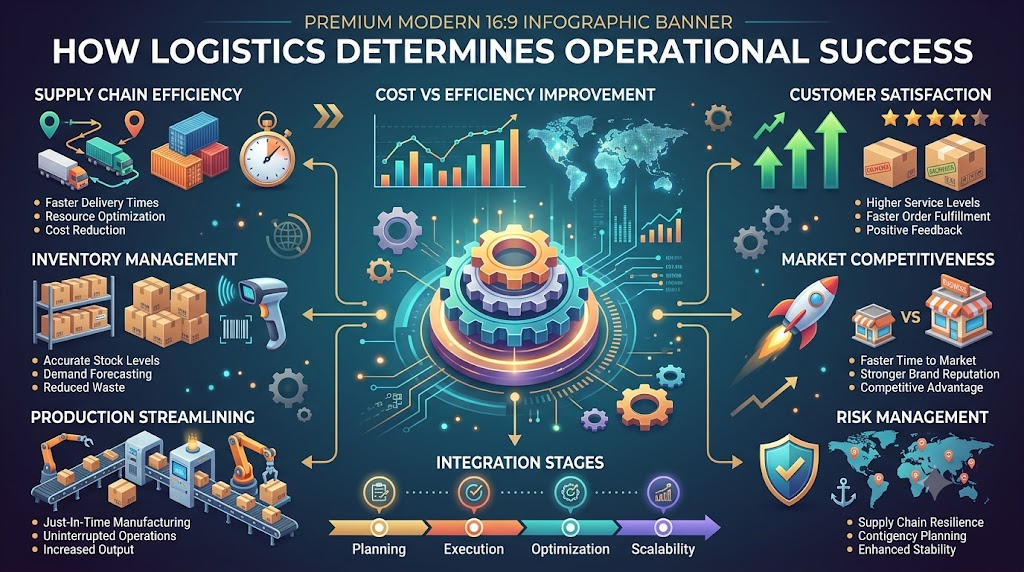
How Logistics Determines Operational Success
A plan looks great on paper, but friction starts the moment wheels touch the dirt. Supply lines break under heavy wear, bad weather, or poor scheduling. When that break happens, even the strongest team loses its power.
Think of an operational team like an athlete running a long race. Muscles and willpower matter, but without water and food, the runner collapses. In the same way, tactical logistics feeds the operational engine. If spare tires do not arrive, trucks sit idle. If medical kits run short, injured personnel cannot receive proper care.
History shows this truth repeatedly. In 1812, Napoleon marched into Russia with over 600,000 men. He had superior numbers and seasoned commanders, but his supply wagons could not keep pace through deep mud and harsh cold. Horses starved, food ran out, and his force crumbled from hunger before fighting major battles.
When planners grasp how logistics determines operational success, they stop treating supply as an afterthought. They design their goals around what their supply chain can support, ensuring their people never run out of the tools they need to finish the job.
WarOpsX.com Guide to Operational Logistics
Learning operational logistics does not require complex military jargon. Beginners can pick up the core ideas by studying simple, real-world case studies and testing basic supply models.
Start by drawing basic flow maps. Mark where supplies start, the paths they travel, and where the end users wait. Calculate how long a round trip takes, how much fuel each vehicle burns, and how many days of food your team needs.
At WarOpsX.com, students learn to spot early warnings in supply lines and design secondary routes before problems strike. This practical approach teaches you to think three moves ahead, building plans that stay strong even when key roads close.
Real-World Contexts & Applications
Operational logistics shapes outcomes across dozens of demanding environments every day.
- Disaster Relief: When storms knock out power grids, emergency crews need clean water, generators, and medicine flown into cut-off zones instantly.
- Remote Field Research: Scientific teams in the Arctic or deep deserts depend entirely on scheduled supply drops for survival gear and heating fuel.
- Fleet Maintenance: Commercial and defense cargo fleets must rotate fresh parts into service centers to prevent ships and planes from breaking down mid-route.
- Medical Outreach: Mobile clinics operating in rural zones need cold-chain storage to keep vaccines safe while crossing rough terrain.
Comparison Table
| Feature | Modern Smart Logistics | Old Heavy Supply Systems |
| Visibility | Live sensor and GPS tracking | Paper logs and slow updates |
| Stocking Style | Lean, flexible forward hubs | Giant, slow-moving central warehouses |
| Delivery Speed | Fast, small, scheduled runs | Slow, massive convoys |
| Route Planning | Smart routing with instant detours | Fixed routes with high risk of roadblocks |
| Response Time | Hours to days | Weeks to months |
Why Logistics Knowledge Matters
Studying resource distribution teaches you how systems work in the real world. It turns abstract thinking into practical capability.
When you understand supply chains, you make better decisions under pressure. You stop guessing resource needs and start estimating real burn rates for fuel, food, and parts. This skill makes you an invaluable planner in defense, disaster management, and global commerce.
Common Problems & Choke Points
Even the best logistics strategy faces physical hurdles on the ground.
- Physical Bottlenecks: Narrow bridges, single-lane mountain passes, and shallow ports limit how much cargo can pass at one time.
- Inaccurate Data: Bad inventory counts cause teams to ship gear to the wrong spot, leaving front-line crews empty-handed.
- Mechanical Breakdown: Overworked trucks and rough roads lead to flat tires, blown engines, and stranded cargo.
- Poor Coordination: When supply teams do not talk to field leaders, supplies arrive too early to be stored safely or too late to be useful.
Practical Steps for Beginners
You can start building your operational planning mindset right now with these five habits:
- Study Burn Rates: Calculate how quickly small groups consume food, water, and power during field exercises.
- Map Alternate Paths: Never settle on one route; always identify two detour paths for every trip.
- Practice Simple Stocking: Group items by urgency so critical tools are always easy to grab first.
- Track Weather Patterns: Watch how rain, snow, and extreme heat slow down trucks and aircraft.
- Review Historical Case Studies: Read accounts of famous past campaigns to see where supply lines succeeded or failed.
Career Paths in Logistics & Strategy
The skills you build while studying supply chains open doors to critical career roles:
- Supply Chain Analyst: Reviews cargo data to remove delays and cut transit costs.
- Emergency Relief Coordinator: Directs life-saving food, shelter, and medical gear during natural disasters.
- Fleet Operations Manager: Schedules vehicle maintenance and plans daily delivery routes for transport teams.
- Defense Logistics Specialist: Ensures military units have steady access to fuel, spare parts, and ammunition.
- Warehouse Systems Planner: Designs storage layouts to speed up packing and loading for critical cargo.
Future Trends in Logistics
New tools are changing how field teams stay supplied in remote locations.
- Autonomous Cargo Drones: Small unmanned aircraft carry blood, medicine, and critical parts directly to isolated teams without risking pilots.
- Smart Tracking Sensors: Tiny, durable tags report real-time temperature, shock, and location data for sensitive supplies.
- Additive Manufacturing on Site: 3D printers at remote bases create replacement parts on demand, cutting the need for huge spare-parts inventories.
- Predictive Maintenance Software: Smart algorithms warn mechanics about failing parts before a vehicle breaks down on the road.
Common Myths Debunked
- Myth 1: Logistics is just driving trucks.Fact: Driving is only the final leg; logistics involves forecasting needs, tracking stock, managing fuel, and planning alternate routes.
- Myth 2: More supplies are always better.Fact: Piling up too much cargo creates huge, slow targets that tie up transport and become impossible to guard.
- Myth 3: Technology eliminates supply issues.Fact: Software helps track items, but mud, weather, and broken machinery still require human problem-solving.
- Myth 4: Logistics only matters during conflict.Fact: Routine peacetime readiness, disaster preparation, and daily training rely just as heavily on steady supply movement.
FAQ Section
1. What is operational logistics in simple terms?
It is the practical work of delivering gear, fuel, food, and medicine to working teams. It ensures personnel have what they need to keep moving without running out of resources.
2. Why do supply lines fail during operations?
Supply lines usually fail because of blocked routes, broken vehicles, or poor communication between teams. When planners fail to prepare backup roads, a single choke point can stop all incoming cargo.
3. What is the difference between tactical and operational logistics?
Tactical logistics focuses on supplying small units during immediate daily tasks. Operational logistics connects those small units to larger supply bases across an entire region.
4. How does poor logistics hurt team morale?
When basic necessities like clean water, hot meals, and medical supplies fail to arrive, physical exhaustion sets in quickly. Teams lose confidence in their leadership when their basic survival needs are neglected.
5. What is an edge supply hub?
An edge supply hub is a small storage point set up close to the field of action. It holds essential gear so front-line teams can restock in minutes instead of waiting for shipments from distant depots.
6. Why is fuel considered the most critical field supply?
Without fuel, transport trucks, patrol craft, electrical generators, and water pumps all stop running. A lack of fuel freezes every other part of an operation in place.
7. How do planners calculate supply needs for a mission?
Planners track daily burn rates for items like food, water, and fuel per person. They then multiply those numbers by the mission length and add a safety reserve for unexpected delays.
8. Can commercial supply chain methods work in defense logistics?
Yes, modern defense networks use commercial tools like barcode tracking, automated warehouses, and route-planning software. However, defense systems must remain tougher to survive damage and rough terrain.
9. What role do drones play in modern supply lines?
Drones make quick deliveries of lightweight, high-priority cargo like blood, radios, and spare parts to cut-off areas. They reach places that trucks or standard aircraft cannot safely enter.
10. How can beginners start learning logistics planning?
Beginners can start by mapping simple routes, calculating daily supply burn rates, and studying past humanitarian relief efforts. Working through scenario-based guides helps build strong planning habits early.
Mastering operational logistics changes the way you view every large human effort. You begin to see that grand visions mean very little without the steady, quiet work of moving supplies where they belong. Keep testing your ideas, watch how real systems move, and let resources like WarOpsX.com guide your journey into operational strategy.