Introduction
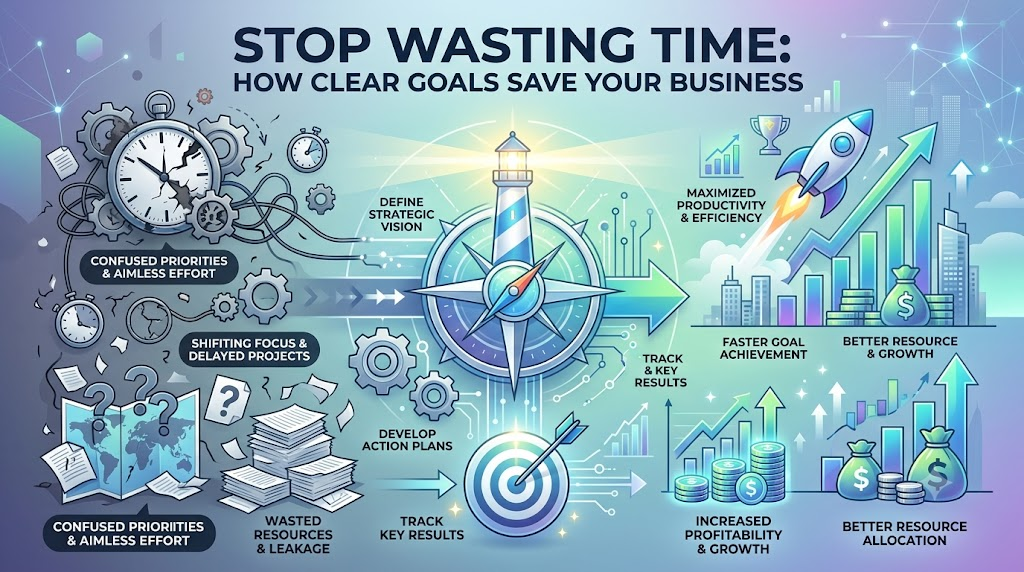
Imagine getting into your car, starting the engine, and driving as fast as you can without a map, a GPS, or even a destination in mind. You will use up all your fuel, burn out your tires, and probably end up lost in the middle of nowhere. Running a business or managing a project without a clear goal is exactly like that. You and your team might feel like you are working incredibly hard, but without a clear map, you are just moving in circles and wasting energy.
This is where strategic objectives come into play. They act as your company’s GPS. They tell you exactly where you need to go and help you plan the best, fastest route to get there. If you want to learn more about setting your business up for smooth operations and smart growth, you can check out Waropsx.com for some highly useful ideas. Setting these clear goals ensures that every single step your team takes actually moves the whole company forward.
The Danger of Working Hard Without a Direction
Have you ever had a day where you worked non-stop from morning to night, but at the end of the day, you felt like you got absolutely nothing done? This happens to whole companies all the time. When a team does not have a clear, shared target, people just do random tasks. They answer emails, sit in long meetings, and check things off a list, but none of it actually helps the business grow. We call this “busywork,” and it is very dangerous for any business.
When people just do busywork, they get tired very quickly. Imagine running on a treadmill at full speed. You are sweating, you are working hard, and your heart is beating fast, but you are not actually moving forward. Teams that work like this burn out fast. They feel sad and frustrated because they put in so much physical and mental effort, but the company stays stuck in the exact same place month after month.
Another huge problem is the chaos of constantly changing directions. Without a solid, long-term goal written down, a manager might tell the team to focus purely on finding new customers one week, and then suddenly switch everyone to designing a new product the next week. This confuses everyone. When the finish line keeps moving around, the team naturally loses motivation and stops trying to win.
Having a clear set of goals stops this chaos completely. It gives everyone peace of mind. When you know exactly what you are supposed to achieve this year, you can easily say “no” to random tasks that waste your time. This means the team uses their valuable energy only on the specific things that truly matter and bring real results.
What Are Strategic Objectives Exactly?
To understand how to guide your team, we need to know exactly what these goals look like and how they are made.
The Big Picture Vision
First, we must understand the difference between a daily task and a big strategic goal. Sending an email to a customer is a task. Doubling the size of the company in three years is a strategic objective. It is the big dream written down as a clear, firm promise. It tells every single person in the building, “This is what our future looks like, and this is what we are building together.”
The SMART Framework
To make a goal work, it cannot be a vague wish. You cannot just say, “I want to make more money.” Instead, you should use the famous SMART framework. It is very simple to understand:
- Specific: Name exactly what you want. Do not say “grow.” Say “open three new stores.”
- Measurable: You need numbers. If you cannot count it, you will never know if you won.
- Achievable: It must be possible. Do not set a goal to make a billion dollars in one month if your business is brand new.
- Relevant: The goal should actually help your specific business and make sense for your industry.
- Time-bound: Give it a strict deadline. Say “By December 31st,” so people feel a healthy sense of urgency.
Breaking Down the Big Goal
A massive five-year goal is far too scary for a normal person to think about every single day. So, a good manager breaks it down into small pieces. A massive five-year goal becomes a simple one-year goal. That one-year goal becomes a monthly goal. Finally, that monthly goal turns into daily tasks. This way, when a worker comes in on a Tuesday morning, they know exactly what small, easy step they need to take today to help the company reach its giant five-year dream.
Comparing a Strategy-Driven Team vs. A Lost Team
To really see why this matters, let us look at the clear differences between a team that uses these goals and a team that just makes things up as they go along.
| Feature | Strategy-Driven Team (Clear Goals) | Lost Team (No Goals) |
| Team Focus | Everyone is working together on the same clear project. | Everyone is doing their own thing, causing confusion. |
| Wasted Money/Resources | Very low. Money is only spent on things that help the goal. | Very high. Money is wasted on random ideas that go nowhere. |
| Speed of Growth | Fast and steady. Every step is planned and useful. | Very slow. The team starts and stops new projects constantly. |
As you can clearly see in the table above, the difference between having a simple plan and not having one is massive. A team that knows its exact goals operates like a well-oiled machine. Every single person knows their specific role, and nobody is stepping on anyone else’s toes. This saves the company a massive amount of time and money because mistakes and useless side-projects are cut out completely.
On the other hand, the lost team struggles every single day. They might have very smart, highly talented people working for them, but because those people are not working together toward the exact same finish line, their great talent is totally wasted. Growth happens very slowly for them, if it happens at all, because they keep starting over from scratch instead of sticking to a proven plan.
Real-World Scenario: Setting a Goal and Hitting It
Let us look at a real-world example to make this super clear and easy to picture. Imagine a local bakery that makes the best chocolate chip cookies in town. Right now, they have one small shop, and they are doing well. The owner decides they want to grow the business. Instead of just waking up and saying, “I want to be a big business,” they set a clear, smart strategic objective: “We will open 5 new bakery locations in our city in the next 3 years.”
Now that they have a big, clear goal, they check it using the SMART rules. Is it specific? Yes, 5 stores. Is it measurable? Yes, you can easily count the stores. Is it achievable? Yes, they have a great product and a good plan. Is it time-bound? Yes, they gave themselves exactly 3 years. Next, the owner breaks this massive goal into smaller, bite-sized pieces for the team. They decide that in year one, they will focus purely on saving enough money and finding the perfect buildings for the first two new shops.
The whole bakery team gets involved in this mission. The head baker’s new personal goal is to train three new assistant bakers by the end of the year so they have enough staff ready for the new shops. The marketing person’s goal is to start a social media page to get people in the new neighborhoods excited about the cookies coming to their area.
Because everyone knows the main goal—opening 5 new stores—every single daily task makes perfect sense. The head baker understands exactly why they are spending hours training new people. The owner knows exactly why they are saving money instead of buying a new car. They are no longer just baking cookies day by day; they are building a local bakery empire step by step, and everyone is excited to be part of it.
How to Keep Your Team Focused on the Prize
Setting the goal is only the first step of the journey. The real work begins after the goal is written on the office whiteboard. As a manager or a business owner, your biggest job is keeping the team completely focused on that prize. You have to talk about the main objective constantly. It should be brought up in weekly meetings, written at the top of company emails, and talked about during daily morning chats. If the leader stops talking about the big goal, the team will quickly forget about it and go back to doing busywork.
You also need a very simple way to track your progress. You can use a big paper chart on the wall, a simple software tool, or just a shared computer document. The whole team should be able to see exactly how close they are to the finish line. When people see that they are making actual, visible progress, they feel happy, proud, and want to work even harder. You should also make sure to celebrate small wins loudly. If the bakery signs the lease for their first new building, buy pizza for everyone and celebrate that step forward.
But what happens if the world suddenly changes? Let us say our bakery owner suddenly faces a massive increase in the price of flour, or a huge new competitor opens up right next door. A good strategic objective is firm, but it is not made of stone. You must be willing to adjust when reality hits. If things change in the market, it is totally okay to sit the team down and say, “Because flour is so expensive now, we are changing our timeline from three years to four years.”
Ultimately, keeping the team focused is all about clear, honest communication. When workers know exactly what is going on, how their daily hard work helps the big picture, and how close they are to winning, they will naturally stay focused. They will give their best effort because they actually care about crossing that finish line together.
FAQs
- What is a strategic objective in simple terms?
It is a clear, long-term goal that a business sets to give its team direction and a specific target to aim for.
- Why are these objectives so important for a business?
They stop people from doing useless busywork and ensure everyone is working together to grow the company.
- What does the word SMART stand for in goal setting?
It stands for Specific, Measurable, Achievable, Relevant, and Time-bound.
- How is a strategic objective different from a normal task?
A task is a small daily job like sending an email, while a strategic objective is a massive long-term goal like opening new stores.
- How often should a manager talk about the main goals?
A manager should talk about them constantly, in weekly meetings and daily chats, so the team never forgets the main focus.
- What should a company do if their long-term goal becomes too hard to reach?
The company should sit down, look at the changing situation, and adjust the timeline or the size of the goal so it is realistic again.
- Why is busywork dangerous for a team?
Busywork makes people feel like they are working hard, but it does not actually help the business grow, which quickly leads to burnout.
- How do you stop a massive goal from scaring your team?
You must break the massive goal down into smaller yearly, monthly, and daily steps so it feels easy to achieve.
- Should every single employee know the strategic objectives?
Yes, absolutely everyone from the boss to the newest worker should know the goal so they can help achieve it.
- How can we track our progress toward the big goal?
You can use simple tools like a big chart on the wall, a shared document, or tracking software to show everyone how close they are to winning.
Conclusion
Running a business or managing a team without a clear direction is a recipe for stress, wasted money, and exhausted workers. By setting clear strategic objectives, you are giving your people the map and the GPS they need to succeed. Remember to keep your big goals simple, use the SMART framework to make them real, and break them down so that daily tasks always connect to the big five-year dream. When your whole team is rowing the boat in the exact same direction, you will be amazed at how fast you can reach your destination.