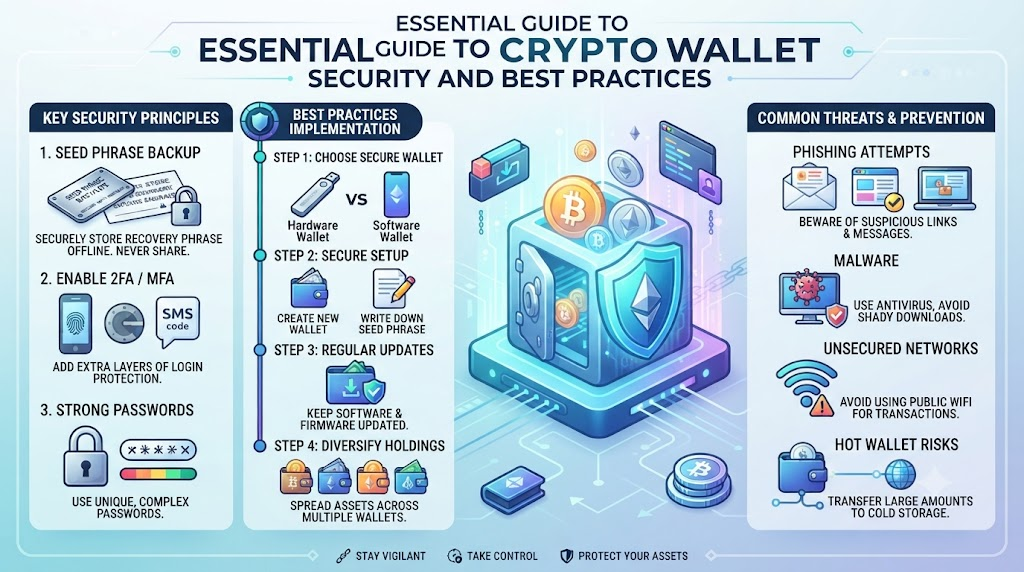
Stepping into the world of digital assets can feel overwhelming when you encounter unfamiliar terms like blockchain, private keys, and decentralized networks. If you are wondering how people actually store and manage digital money, the answer begins with a cryptocurrency wallet. Without a clear understanding of how these storage tools function, navigating digital finance safely is nearly impossible. This guide breaks down everything you need to know about a cryptocurrency wallet in simple, beginner-friendly terms. You will learn what these tools are, how they work behind the scenes, and how to protect your digital assets effectively.
What Is a Cryptocurrency Wallet?
A cryptocurrency wallet is a digital tool that allows users to interact with various blockchain networks. Despite what the name suggests, a wallet does not actually store physical coins or physical cash. Instead, digital assets always remain on the decentralized blockchain ledger.
The main purpose of a cryptocurrency wallet is to store your cryptographic keys. These keys give you ownership and control over your digital funds, allowing you to send, receive, and manage assets securely.
Why does this matter? Because blockchain networks are decentralized, there is no central bank or customer service department to reset your password if you lose access. Understanding your wallet is the first step toward true financial self-sovereency and security in the Web3 space.
Important terminology for beginners includes:
- Public Address: Comparable to an email address or bank account number, which you share with others to receive funds.
- Private Key: Comparable to a secure password or signature, which grants access and authorizes transactions. Never share this with anyone.
- Seed Phrase: A sequence of random words generated by your wallet that acts as a master backup to recover your funds.
How Does a Cryptocurrency Wallet Work?
Understanding how a cryptocurrency wallet functions requires looking at how it interacts with the underlying blockchain. Every wallet relies on mathematics, cryptography, and decentralized networks to secure transactions.
Here is the step-by-step process of how a transaction works:
- Initiating a Transaction: You open your wallet application, enter a recipient’s public address, and specify the amount of digital currency you want to send.
- Signing the Transaction: Your wallet uses your private key to digitally sign the transaction. This mathematical signature proves that you own the funds without revealing the private key itself.
- Broadcasting to the Network: The signed transaction is broadcasted across the decentralized blockchain network of computers.
- Verification and Consensus: Network participants validate the transaction using predefined cryptographic rules and consensus mechanisms.
- Recording on the Blockchain: Once verified, the transaction is added to a new block on the blockchain, permanently updating the ledger and completing the transfer.
Key Components of a Cryptocurrency Wallet
Public and Private Keys
Public and private keys form the cryptographic foundation of any cryptocurrency wallet. Your public key derives from your private key through complex math, creating a one-way street where you can easily share your public address, but nobody can reverse-engineer your private key from it.
Software and Hardware Storage
Wallets generally fall into two main categories based on how they connect to the internet. Software wallets, often called hot wallets, run on desktop computers or mobile devices. Hardware wallets, often called cold wallets, are physical electronic devices that keep your private keys offline away from potential online threats.
Backup and Recovery Mechanisms
When you set up a new wallet, it generates a unique seed phrase. This phrase is the ultimate backup for your digital assets. If your device breaks, gets lost, or is stolen, you can use your seed phrase on a new device to restore full access to your funds.
Real-World Examples
To visualize how a cryptocurrency wallet functions in daily practice, consider a few common scenarios.
Imagine you want to send digital funds to a friend. You open your mobile wallet, scan your friend’s QR code or paste their public address, input the transfer amount, and tap send. Your wallet signs the transaction with your private key, and within minutes, the blockchain records the transfer.
Another scenario involves purchasing digital assets on a cryptocurrency exchange. Many beginners make the mistake of leaving their funds directly on the exchange. Transferring those assets to your own personal crypto wallet shifts control away from a third-party platform and puts it directly into your own hands.
Benefits and Limitations
Benefits
- User Control: You retain full ownership and control over your digital assets without relying on traditional financial intermediaries.
- Global Accessibility: Anyone with an internet connection can download a software wallet and interact with global blockchain networks instantly.
- Transparency: Every transaction made through your wallet can be verified independently on the public blockchain ledger.
Limitations and Risks
- Personal Responsibility: Because there is no central authority, you are entirely responsible for securing your own funds and credentials.
- Technical Learning Curve: Understanding public addresses, private keys, and network fees requires patience and ongoing education.
- Device Dependency: Software glitches, lost hardware, or misplaced backups can result in permanent loss of access to your assets.
Security and Safety Considerations
Security is the single most important aspect of managing digital assets. Because blockchain transactions are irreversible, protecting your cryptocurrency wallet requires strict hygiene habits.
- Never Share Private Keys or Seed Phrases: Legitimate platforms, customer support representatives, and developers will never ask for your private key or seed phrase.
- Watch Out for Phishing: Double-check website URLs, application names, and links before downloading wallet software to avoid malicious lookalike platforms.
- Use Hardware Storage for Large Amounts: If you hold significant amounts of digital assets, consider using an offline hardware wallet for enhanced security.
- Enable Extra Protections: Turn on biometric login, PIN codes, and multi-factor authentication on all your wallet applications.
Common Mistakes Beginners Make
- Ignoring Backup Security: Failing to write down and securely store the seed phrase in a physical location.
- Leaving Assets on Exchanges: Keeping all digital holdings on centralized trading platforms instead of moving them to a personal wallet.
- Sharing Sensitive Credentials: Typing private keys or seed phrases into random websites or customer support chats.
- Not Checking Transaction Details: Sending funds to the wrong blockchain network or incorrect address without verifying first.
- Falling for Scams: Trusting unsolicited messages promising free digital currency or guaranteed returns.
Cryptocurrency Wallet vs Related Concepts
| Concept | Description | Main Purpose |
| Hot Wallet | Connected to the internet (apps, browser extensions) | Convenient for frequent transactions and interacting with decentralized apps |
| Cold Wallet | Offline physical device (USB-like hardware) | Maximum security for long-term storage of digital assets |
| Exchange Account | Managed by a third-party trading platform | Buying, selling, and trading digital assets |
| Blockchain | Decentralized public ledger | Recording and verifying all network transactions |
Step-by-Step Beginner Guide
- Research Reliable Options: Read official documentation and choose a reputable software or hardware wallet that suits your needs.
- Download or Purchase: Install the official wallet application from the verified provider or purchase a hardware wallet directly from the manufacturer.
- Initialize and Secure: Follow the setup instructions to create a new wallet, and carefully write down your seed phrase on paper.
- Store Your Backup: Place your physical seed phrase backup in a secure, private location away from moisture and unauthorized viewers.
- Test with Small Amounts: Send a tiny amount of digital currency to your new wallet and back to verify you understand the process before managing larger amounts.
Future Considerations
As blockchain technology and the Web3 ecosystem continue to evolve, cryptocurrency wallets are becoming much more user-friendly. Developers are working on account abstraction, social recovery mechanisms, and simplified interfaces to remove technical barriers for everyday users. Security standards will continue to tighten, making digital asset self-custody more accessible, intuitive, and secure for mainstream adoption.
Educational Disclaimer
CryptoBlockCoins provides educational information only and does not provide financial or investment advice. Cryptocurrency markets can be volatile, so readers should conduct independent research and consider professional advice before making financial decisions.
Frequently Asked Questions
- What is a cryptocurrency wallet?A cryptocurrency wallet is a secure digital tool that stores your cryptographic public and private keys, allowing you to interact with blockchain networks and manage your digital assets.
- Are crypto wallets safe from hackers?Security depends heavily on how you manage your credentials. Hardware wallets kept offline offer the highest level of security, while poor password habits on hot wallets can expose funds to risk.
- Can I lose my money if I lose my phone?If you lose your phone, you will not lose your funds as long as you have securely backed up your seed phrase, which allows you to restore your wallet on a new device.
- What is the difference between a hot wallet and a cold wallet?Hot wallets are connected to the internet for convenience, whereas cold wallets are offline physical devices designed for maximum long-term security.
- Do I need technical skills to use a wallet?Basic computer or smartphone literacy is enough to set up and use modern beginner-friendly wallets safely.
- Should I store my cryptocurrency on an exchange?Exchanges are useful for trading, but leaving large amounts on them means you do not control your private keys, making a personal wallet a safer choice for long-term storage.
- What is a seed phrase?A seed phrase is a sequence of twelve to twenty-four random words generated by your wallet that acts as the master key to recover all your digital assets.
- Can someone steal my funds if they know my public address?No, your public address is safe to share with others because it only allows people to send funds to you, much like sharing an account number.
- Are crypto wallets free to use?Most software wallets are free to download and use, though you will still need to pay standard network transaction fees when sending funds across the blockchain.
- How do I choose the right wallet?Choose a wallet based on your security needs, whether you prioritize mobile convenience or long-term offline storage, and always download software from official sources.
Conclusion
Understanding how a cryptocurrency wallet operates is an essential milestone for anyone exploring blockchain technology. By separating digital asset ownership from third-party platforms, these tools empower users with full control over their funds. Remember that security and education are your best defenses in the digital asset space. Continue learning, prioritize safe storage habits, and always conduct independent research as you explore the world of Web3.