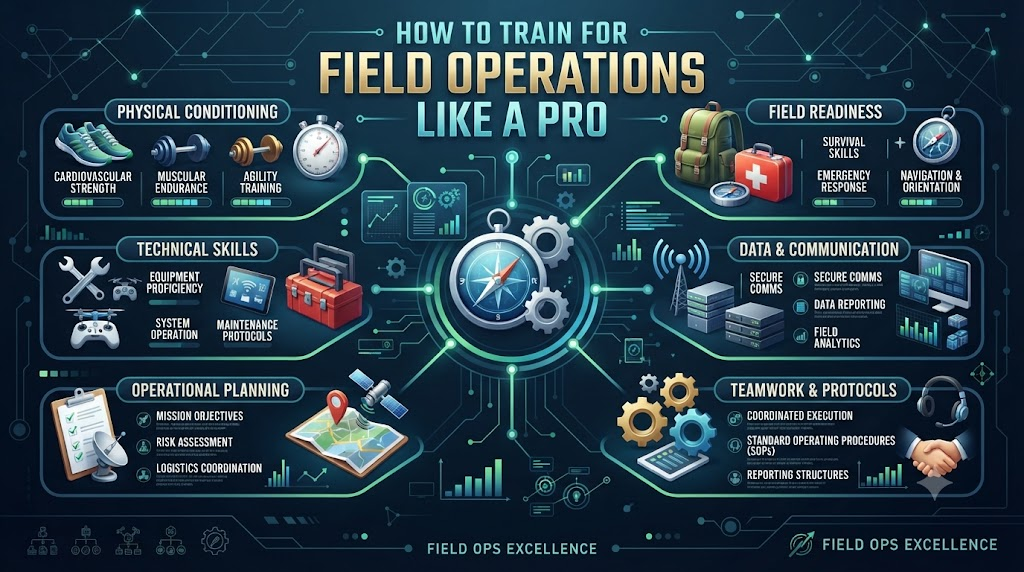
Field operations are tough. You face mud, bad weather, and tight deadlines. Your team needs to move fast and smart. When things go wrong in the field, panic sets in. You lose time and safety is put at risk. But you can change this story. Good training builds tough teams. It turns nervous recruits into calm leaders.
Getting ready for the field takes more than basic drills. You need a clear plan that tests your body and mind. You must practice real problems before they happen. This prep keeps your team safe and focused. When you build strong habits early, the real work feels much easier.
To help your team reach peak performance, visit WarOpsX for expert tools and resources. Let us look at how you can build a winning training program from scratch. Every great mission starts with a solid foundation. You are about to learn the exact steps to get there.
Understanding the Basics of Field Readiness
What does it mean to be ready for the field? It means your body is strong and your mind is calm. You do not freeze when things get chaotic. You look at a problem and fix it fast.
Training must match real-world stress. If you only practice in a safe room, you will fail outside. You need to add wind, noise, and fatigue to your drills. This builds real strength. Your team learns to trust each other in tough spots.
Building Physical Stamina for Tough Environments
Your body is your main tool in the field. If you get tired too fast, your mind slows down. You start making simple mistakes. That is why physical training comes first.
Focus on endurance over heavy lifting. You need to carry heavy gear for miles. Run with a loaded pack. Practice crawling through tight spaces. Build your core strength so your back does not hurt on long marches.
Mental Toughness and Decision Making
Stress changes how your brain works. Under pressure, your vision narrows. You forget simple rules. Training helps you beat this natural fear.
Practice making choices when you are tired. Give your team hard puzzles right after a long run. This teaches your brain to stay sharp. When real danger hits, you will react on instinct rather than panic.
Communication Under Extreme Pressure
Words matter when you are out in the field. Bad talk leads to lost teams and failed missions. You must speak clearly and shortly. Long sentences get lost in the wind and noise.
Use hand signals when voice radios fail. Practice repeating orders back to your leader. This ensures everyone heard the same thing. Clear talk stops small errors from turning into big disasters.
Gear Management and Maintenance
Your tools keep you alive. If your radio breaks, you are on your own. If your boots tear, your feet will give up. You must treat your gear like a close friend.
Check every strap, clip, and button before you step out. Learn how to fix broken gear with simple tape and wire. Clean your tools after every single drill. Good habits save lives when the weather turns bad.
Real-World Story About Field Failures and Lessons
- A small scout team got lost in the dark because they trusted a cheap phone app instead of a real compass. They spent six cold hours walking in circles until an instructor found them.
- During a muddy ridge drill, a squad leader forgot to secure his radio battery. It fell into a deep puddle, cutting off all contact with the base camp for the rest of the day.
- A rookie runner refused to break in his new boots before a long march. By mile three, huge blisters formed, forcing the team to stop and carry his extra weight.
- A supply unit miscounted their water canteens under the hot sun. Halfway through the desert exercise, every member ran out of water and suffered from bad cramps.
- An observation post failed to set up a night watch rotation. They fell fast asleep, allowing a rival training group to sneak in and tag their gear without a sound.
- A vehicle driver tried to speed through soft sand without letting air out of the tires. The truck sank deep into the dunes and took four hours to dig out.
- A communication officer used long, confusing sentences over the radio during a storm. The team misunderstood the coordinates and went to the wrong hill.
- A medical drill went wrong because nobody checked the first aid kit beforehand. The tourniquet was missing, which delayed the mock rescue by ten critical minutes.
- A team leader forgot to check the weather report before a mountain climb. A sudden flash storm hit them hard, ruining expensive electronics and soaking their food supplies.
- A security squad left their campfires burning bright at night. The glowing light gave away their exact position to the opposing group during a night raid simulation.
Field Training Framework: Traditional vs Modern
| Feature | Traditional Training | Modern Training |
| Environment | Indoor gym rooms | Real outdoor terrain |
| Stress Level | Low and predictable | High and dynamic |
| Technology | Paper maps and notes | Digital tracking tools |
| Feedback Time | Days or weeks later | Instant data review |
| Focus Area | Following strict rules | Quick problem solving |
Common Mistakes and Pitfalls in Training
- Skipping basic warm-ups: Many teams rush straight into hard drills without stretching. This causes torn muscles and sideline injuries that ruin weeks of prep. Fix this by making a ten-minute dynamic warm-up mandatory for every single session.
- Ignoring weather conditions: Training only on sunny days leaves teams weak when rain and snow arrive. Fix this by scheduling mandatory foul-weather drills every single month to build true grit.
- Relying too much on digital tools: Screens break and batteries die in the field. Fix this by forcing your team to navigate using paper maps and a base compass once a week.
- Failing to debrief after drills: Rushing home after a hard exercise means you repeat the same mistakes tomorrow. Fix this by sitting down for a ten-minute chat right after every drill to talk about what went wrong.
- Overloading with too much gear: Beginners often pack heavy items they do not need. Fix this by weighing every pack and cutting out any item that does not serve two separate purposes.
- Not practicing solo tasks: Team drills are fun, but lone survival skills matter just as much. Fix this by setting up solo scouting tasks where team members must rely entirely on their own wits.
- Ignoring hydration until thirsty: Waiting until your throat is dry means you are already dehydrated. Fix this by setting a strict rule to drink small sips of water every twenty minutes without fail.
- Poor sleep management: Letting trainees stay up all night hurts their focus the next day. Fix this by teaching healthy sleep rotation schedules so everyone stays sharp and alert.
- Practicing the same routine: Doing identical drills every day makes the team bored and lazy. Fix this by changing up the terrain, rules, and objectives in every new session.
- Ignoring small injuries: Brushing off small cuts or blisters leads to bad infections later. Fix this by making immediate first aid care a core part of every daily routine.
Step-by-Step Implementation Roadmap
- Assess your current fitness level: Run a baseline test to see how far you can walk, run, and carry weight before you start your formal training program.
- Build your core gear list: Gather strong boots, a durable pack, reliable water bottles, and simple weather-proof clothing tailored to your local environment.
- Set up a weekly schedule: Plan out specific days for running, strength work, map reading, and gear checks so you never skip a vital part of your routine.
- Start with short local hikes: Begin your training on easy local trails with a light backpack to get your joints and muscles used to the movement.
- Add weight and distance slowly: Increase your backpack weight by a small amount each week and add one extra mile to your route until you hit your target goal.
- Integrate stress drills: Introduce unexpected obstacles into your routine, such as changing your route halfway through or working through loud noises and heavy rain.
- Practice team communication: Run mock radio calls and hand signal drills with your partners until every command is clear and understood instantly without hesitation.
- Test your survival skills: Spend a day practicing fire starting, emergency shelter building, and basic first aid in a controlled outdoor setting.
- Review and refine your gear: Clean every tool, patch up any worn clothing, and replace broken items before you take on your next big outdoor challenge.
- Run a full simulation test: Put everything together in a twenty-four-hour field test that mimics real mission conditions from start to finish.
Detailed FAQs
1. How long does it take to get ready for field operations?
It usually takes about twelve weeks of steady training to build the strength and mental habits you need for hard field work.
2. What is the most important gear to buy first?
You need a sturdy pair of broken-in boots and a comfortable backpack that fits your back shape without causing pain.
3. How often should I train with a heavy backpack?
You should practice walking with weight two times a week, starting light and adding small amounts of weight very slowly.
4. What should I eat during a long field training day?
Eat foods rich in protein and complex carbs, such as nuts, dried fruit, and whole-grain bars, to keep your energy steady.
5. How do I stop blisters from forming on long marches?
Wear two layers of socks, keep your feet dry, and use moleskin patches on hot spots before they turn into open blisters.
6. Can I train for field operations entirely indoors?
Indoor gym work helps build muscle, but you must practice outside on real dirt and hills to test your balance and gear.
7. What is the best way to practice land navigation?
Start with a simple paper map in a local park, find three hidden markers, and check your path using a base compass.
8. How do I keep my electronics safe in the rain?
Store all your radios, phones, and batteries inside thick zip bags and wrap them in dry cloth inside your pack.
9. What should I do if a team member gets injured?
Stop moving right away, secure the area, check their vital signs, and use your first aid kit to treat the injury safely.
10. How do I stay calm when a drill gets too stressful?
Take three deep breaths, slow down your thoughts, and focus on the single next task you need to complete right now.
Final Recommendation and Next Steps
Training for field operations is a journey, not a one-time event. You must stay humble and keep learning from every mistake you make. Keep your gear clean, your body strong, and your mind sharp.
Take out your calendar right now and plan your first outdoor drill for this coming weekend. Small steps lead to massive gains over time. Stay focused, work hard, and get out there.